

Over the past couple of decades, Chinese dramas, commonly known as C-dramas, have experienced a dramatic rise in popularity internationally as people like me have moved away from watching “woke” western shows to ones that are more traditional, often family-oriented and not crammed full of diversity, equity and inclusion (DEI) just for the sake of it.
Once largely overshadowed by Korean dramas and Japanese entertainment, Chinese television series are now drawing massive global audiences, dominating streaming platforms, and cultivating passionate fan communities like one of the ones I belong to — the forums on My Drama List.
What’s interesting to me, as well, is that the growing popularity of C-dramas is not the result of a single trend but, instead, is a combination of evolving storytelling from talented Chinese writers, stunning production quality, huge cultural appeal, and never-before-seen global accessibility.
That also says, to me, that it will be long-lasting.
So, join me in looking more at why Chinese drama have been attracting bigger and bigger global audiences and, I think you will agree with me, it’s pretty fascinating.
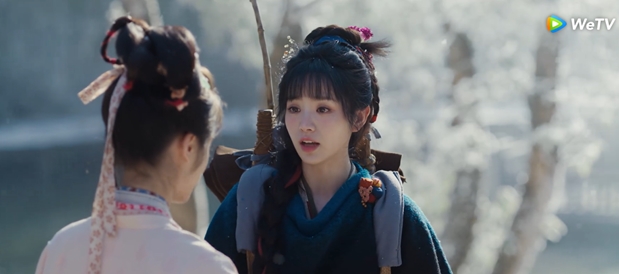
The Wide Variety of Genres in Chinese Dramas Attracts Global Audiences
One of the biggest reasons Chinese dramas are gaining international attention is their extraordinary range of genres.
Something I didn’t realize until after I’d watched my first handful, and then began to learn about wuxia (stories about martial heroes), xianxia (plots about immortal heroes), dramas taking place in the Republican era (the 1910s to 1940s in China), contemporary Chinese romance dramas and many more.
While many newcomers discover C-dramas through historical epics or fantasy romances like xianxia and wuxia, though, if you start to watch as many C-dramas as I did in the first six months of being interested, you will realize quickly that the industry offers far more than period dramas.
Just in contemporary dramas, for instance, you can choose from modern romance, youth and campus stories, family dramas, crime thrillers, workplace narratives, video game-themed shows, political intrigue, and realistic slice-of-life series.
Because of all this, the genre diversity of Chinese dramas means they end up appealing to viewers of all ages and cultural backgrounds.
RELATED: How I became fascinated with Asian dramas, anime and donghua and started writing about them
I was in my 40s when I watched my first C-drama, at least 10 years after I became obsessed with K-dramas. And once I did, I couldn’t figure out why I hadn’t watched them before.
Meanwhile, the teenage students I taught English to in Thailand were just as obsessed with them as I became. Even my 80-odd-year-old mother has recently become intrigued.
Improved Storytelling and Strong Character Development in Modern C-Dramas
Another key factor behind the rise of Chinese dramas is the noticeable improvement in storytelling quality and narrative depth.
And yes, you will notice a difference if you watch earlier productions from the 1990s and earlier 2000s, and realize quickly why they were criticized for overly long episode counts, repetitive plotlines where you watch three back-to-back similar dramas and can’t remember which character was in what, and with some truly uneven pacing to boot.
Of course, I will also admit there are plenty of these issues still existing in current C-dramas, but more of them now feature much tighter scripts, very clever story arcs (à la the recently ended My Page in the 90s) and characters who are far more emotionally complex.
One thing I have also noticed, as someone who has been watching Chinese dramas since the late 1990s, their themes are becoming much more complex.
For instance, modern C-dramas are increasingly focusing on things like personal growth, moral choices, ambition, and internal conflict.
Romantic storylines, for instance, are often layered with themes of responsibility, sacrifice, and self-discovery. (A great example of self-discovery and excellent character development is Wallace Huo’s character in last year’s superb romance drama Why Is He Still Single?)
This emphasis on character-driven narratives then keeps audiences emotionally invested and encourages binge-watching.
Something just about every Chinese drama fan, including me, now takes as a normal part of being invested in the genre.
I mean, come on, if you ever want to watch more than a handful of C-dramas a year, with the at least 35-plus episodes in each one, you have to be pretty adept at doing a binge-watch, right?
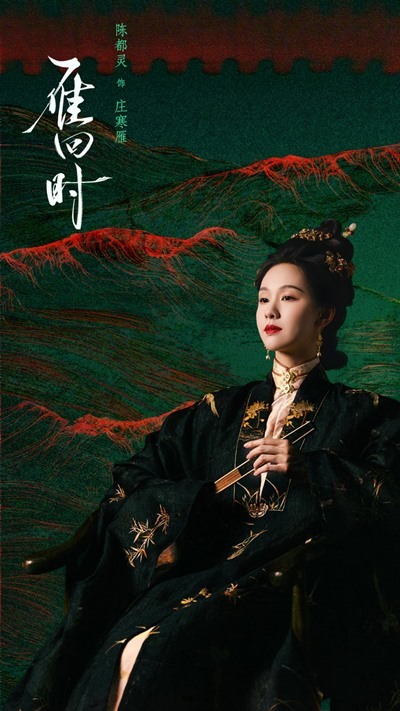
High Production Quality and Stunning Visual Aesthetics in Chinese Dramas
Another big reason Chinese dramas are doing so well world-wide is the rapid improvement in production quality, which has played a major role in elevating Chinese dramas to a global standard.
One of my all-time favorites over the last couple of years, for instance, is Till the End of the Moon with its gorgeous costumes, stunning sets, phenomenal CGI, and highly-detailed world-building.
The same goes for the recently-released Veil of Shadows, which is one of the most visually stunning dramas I have ever watched. From any country.
You don’t see that level of Hollywood blockbuster-level production in any TV show in the west, that’s for sure.
It has become so popular, and expected, that if I start watching a Chinese historical romance drama or a fantasy that doesn’t have incredibly high production values, I will often drop it and move onto something that does.
That’s why large entertainment companies in China are now investing heavily in cinematography, set design, costume creation, filming with breathtaking scenery (real or created) and visual effects.
And yes, if you haven’t yet begun watching Chinese dramas, their striking visuals will probably serve as your first point of attraction, just like they did me.
After all, a TV drama that looks sumptuous pulls you in right in its first few seconds.
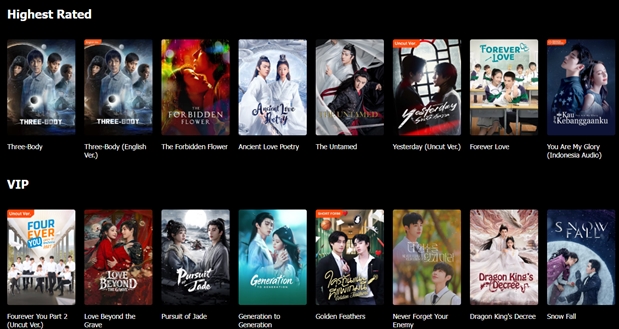
Global Streaming Platforms Make Chinese Dramas More Accessible Than Ever
The expansion of global streaming platforms has been one of the most transformative factors in the international success of Chinese dramas, as it makes it so easy to watch just about every Chinese drama being released.
I currently subscribe to WeTV, YOUKU and iQIYI — the main Chinese international streaming services. I then watch additional shows, usually older ones, on YouTube or Viki, and with Netflix thrown in for some of the C-dramas they license.
Every platform has high-quality subtitles and user-friendly interfaces, and most of them are so inexpensive (I paid $29.99 for a full YEAR of YOUKU when I first subscribed!), they don’t break the bank either.
Algorithm-based recommendations within those platforms further help introduce new and old Chinese dramas to viewers, as they recommend shows that are similar to the one you just watched.
Throw in that each platform offers hundreds, if not thousands, of dramas, and releases even more weekly, you will never run out of things to watch either.
Now do you wonder why I haven’t watched an American, British or Australian drama series in at least a decade?
As a result of all of this, C-dramas are no longer niche content. Instead, they are part of the global entertainment mainstream.
Chinese Dramas Spark Cultural Curiosity and Global Interest in China
As China’s global presence continues to expand, so does international curiosity about Chinese culture, history, and society. Chinese dramas offer a compelling window into these elements.
After all, most westerners are not taught much about China. Even if you go to one of the top high schools in the country, like I did, I honestly cannot remember learning much about China other than their involvement in World War II and their recent takeover of Hong Kong.
As countries with extensive history go, though, you cannot beat China with its 5,000 years of history, can you?
Historical series then introduce ignorant viewers like me to ancient dynasties, epic stories that carry on for decades, philosophical traditions, and Chinese traditional values such as loyalty, filial piety, and honor.
Meanwhile, modern dramas reflect contemporary urban life, workplace pressures, education systems, and family expectations. Things that, unless you have spent extensive time in China, you still wouldn’t know about either. (I know I don’t).
For international viewrs like myself then, watching Chinese dramas becomes both entertainment and informal cultural learning, deepening our interest in Chinese language, traditions, and history. (I began teaching myself Mandarin about six months into my C-drama watching, and I’ve lost count of the number of Spotify podcasts I’ve listened to about Chinese history).
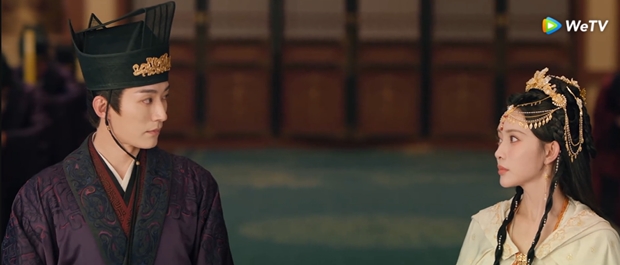
Slow-Burn Romance and Emotional Depth Set Chinese Dramas Apart
One distinctive feature that attracts many fans is the romantic storytelling style found in Chinese dramas.
After all, are you as tired as I am of western TV dramas where the main characters have had sex with each other before the end of the first episode?
It’s boring and predictable and often doesn’t leave the relationship anywhere to go, so give me a slow-burn Chinese romance any day of the week over that.
C-dramas, on the other hand, tend to focus on slow-burn romance, emotional tension, and gradual relationship development.
Subtle gestures, shared adversity, and emotional restraint often replace overt physical intimacy. If you get even a kiss by the end of a drama, in many cases, you’re lucky.
For me, this approach allows romantic relationships to feel more meaningful and emotionally satisfying, as I much prefer in-depth character connection than instant sex, and you only get that with long-term storytelling in a good Chinese drama.
Popular Chinese Drama Actors and Strong Fan Communities Drive Engagement
The rise of Chinese drama stars has also contributed significantly to the industry’s global popularity. So much so that, in the last couple of decades, many actors and actresses have built dedicated international fan bases through social media, interviews, and their participation in variety shows.
Personally, I’m not really into that.
Sure, I have my favorite actors, and will make a beeline for their latest drama when it drops, but I don’t really care about their personal lives, or want to know about gossip about them, as that’s not why I watch Chinese dramas.
For fans who do, however, they will even join online fan communities, which helps amplify the popularity of the actors even more as they share interviews, videos, drama reviews, actor interviews, social media posts from their favorite stars etc among themselves.
If you’re really into that, viral clips shared on platforms like TikTok and X will help keep you up-to-date on certain actors or specific Chinese dramas through some pretty emotionally powerful or visually stunning scenes.
Emotional Comfort and Escapism Make Chinese Dramas Highly Rewatchable
Finally, Chinese dramas resonate because they often provide emotional comfort and escapism. Especially as many series emphasize things like perseverance, friendship, personal growth, and hope, which can brighten up your day if you’re in a funk.
That’s actually one of my favorite things about watching Chinese dramas as, even when stories explore hardship or tragedy, they often deliver a satisfying and even happy emotional closure or at least a moral resolution that makes sense.
In a world where half of us are stressed and tired most of the time, watching C-dramas often offers emotional grounding, inspiration and just makes you feel so much better when you’ve had a really sh*t day.
Conclusion: The Global Rise of Chinese Dramas Is Here to Stay
And all of that is me telling you, even if you are not as obsessed with Chinese dramas as I am (yet!), I can guarantee you that the the growing popularity of Chinese dramas is not only here to stay, but only going to grow rapidly from now on.
So you might want to get started, eh?
After all, in my opinion at least, you will not find another genre of entertainment that is driven by a powerful combination of genre diversity, gripping storytelling, incredibly high production values, easy global streaming access, culturally intriguing stories and good moral values just anywhere else.
As the industry continues to refine its craft while reaching wider audiences as well, I am absolutely convinced that C-dramas are poised to become an even bigger force in global entertainment.
If you are already a fan, I will bet you agree with me too! And, if you’re not, I’m sure you soon will.
About the Author