
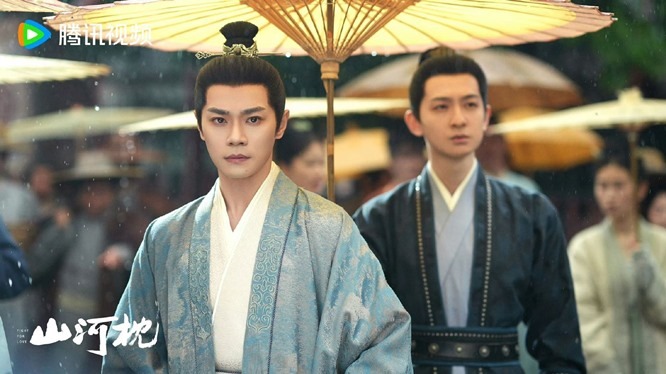
While I love Chinese dramas, I can still see their faults
As you have probably already guessed if you have visited my website before, or even just stumbled across it now, I absolutely love Chinese dramas. In fact, in the last decade and a half, they have completely taken over my watchlist.
So much so, I’ve lost count of how many late nights I have spent promising myself “just one more episode” before suddenly realizing it’s 3 a.m., and I need to get up for work in three hours.
Whether it’s an historical epic, a fantasy romance, or a modern workplace drama, there’s something about Chinese dramas that has kept pulling me back in for many years, and with no signs of that ever slowing down.
That said, as much as I love them, I wouldn’t be honest if I pretended to you that Chinese dramas are perfect.
In fact, if you are thinking about diving into the world of C-dramas, there are a few things you should probably know beforehand.
Things that aren’t necessarily deal-breakers, and most longtime fans learn to accept them, but they can definitely test your patience. Especially when you are first starting out.
Consider this then a friendly warning from someone who has willingly spent many thousands of hours watching these shows, and with many thousands more likely in my future. (Hopefully).
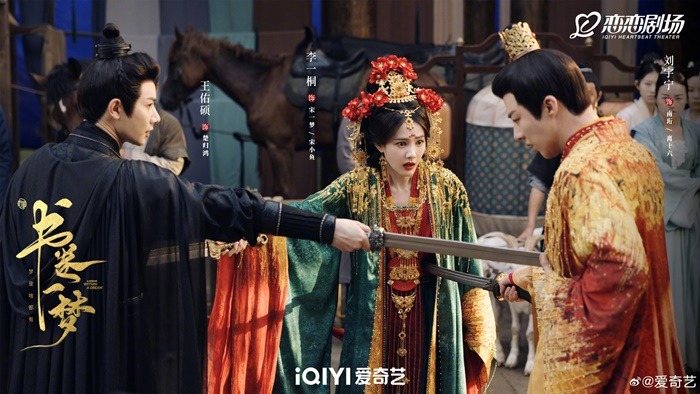
The episode counts in Chinese dramas are ridiculous
Alrighty, so let’s start with the obvious one.
If you’re used to Western shows with 8 to 16 episodes per season, C-dramas will come as a bit of a shock. That’s because many series run anywhere from 30 to 60 episodes, and some go even longer than that. (Especially older C-dramas)
When I first began watching them, I thought this sounded amazing. More episodes means more story, right?
Well, yes and, definitely, no.
RELATED: Why are C-dramas so darned long, and what do Chinese viewers themselves think about that?
In some dramas the extra episodes allow for fantastic character development and world-building. Other times, it feels like the writer and the production company are determined to stretch a story that could have been told in half the time.
Just so they can make more money in advertising.
That’s why, once you get into watching Chinese dramas regularly, you will start to realize at least five of the 40 episodes are nothing more than filler, featuring repeated conflicts, or scene after scene that don’t move the plot forward.
So bad is it in some dramas, I have watched entire episodes where almost nothing happened. Yet somehow I still clicked “next episode” to see what happened next.
Believe me, once you become as obsessed with Chinese dramas as much as I have, you will too.
The pacing can be painfully slow
Along with the long episode counts comes another challenge: slow pacing.
There are times when a major plot point takes forever to happen. Characters spend episode after episode avoiding conversations that could solve conflicts or misunderstandings in under five minutes.
And don’t even get me started on romance storylines.
Sometimes you will spend twenty episodes waiting for two characters to admit feelings that were obvious to everyone else from Episode 2.
Of course, the payoff can be wonderful when that long-awaited romance eventually starts, but getting there often requires a level of patience I didn’t know I actually possessed.
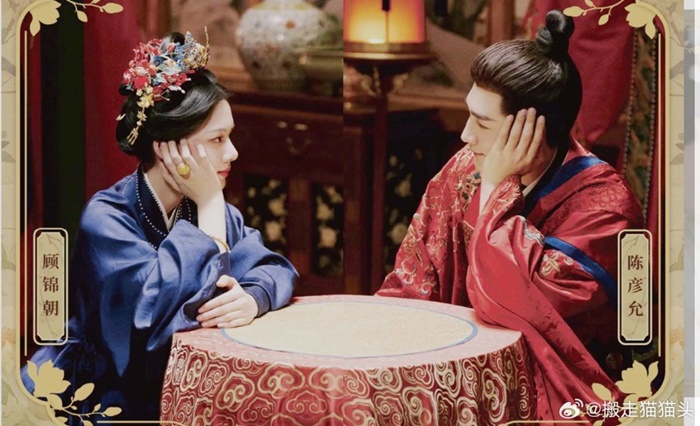
Misunderstandings last forever
If there is one thing C-drama writers seem to love, it’s a misunderstanding.
A character overhears half a conversation. Someone sees another person at a restaurant and immediately jumps to the wrong conclusion. A text message or a phone call arrives at the worst possible moment (and this happens a lot).
Instead of simply asking for clarification, one character jumps to an assumption and the misunderstanding that ensues because of it then grows into a massive problem that can last for multiple episodes.
As a viewer, you will find yourself yelling at the screen: “Just talk to each other!”
Unfortunately, they usually won’t.
The main characters are sometimes too perfect
I enjoy a good fantasy, but even I have limits.
Many C-drama leads are unbelievably talented, attractive, intelligent, wealthy, and admired by everyone around them. The male lead might be a billionaire CEO before turning thirty. The female lead might be stunningly beautiful as well as naturally gifted at everything she attempts.
Occasionally, these characters can feel less like real people, and more like wish-fulfillment fantasies.
I often end up liking the supporting characters more because they tend to have more realistic flaws and struggles.
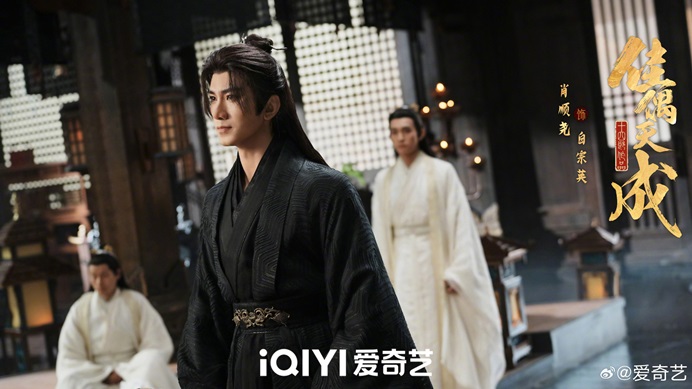
Some supporting characters deserve better
Speaking of supporting characters, one thing that frustrates me is how often they are underused in Chinese dramas.
You will meet the female lead’s interesting friend, sibling, or a rival who seems to have an intriguing story of their own. Then, for the next 39 episodes, the show barely develops them because all the focus stays on the main couple.
There have been plenty of times when I have found myself more invested in a secondary character than the protagonists, only to watch their storyline get pushed aside. Frustrating doesn’t even cover it.
Product placement can be hilariously obvious
I understand that shows need sponsors. I really do.
But some C-dramas make product placement impossible to ignore.
In one drama, you will be watching an incredibly emotional scene, and suddenly the camera spends ten seconds focusing on a particular drink, phone, or skincare product. In another, characters practically stop the story to discuss how wonderful a product has turned out to be.
Instead of feeling subtle, it often feels like a commercial interrupted the drama, and once you notice it, you will never stop.
The romance can set unrealistic expectations
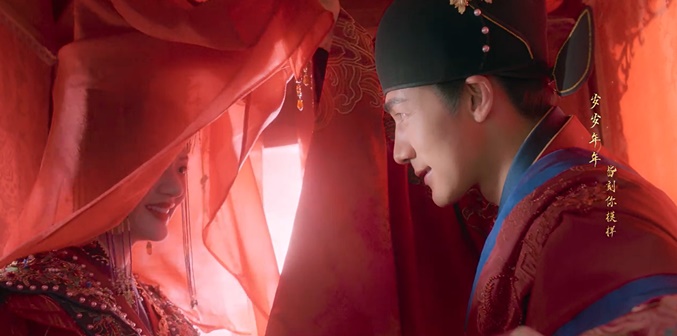
One of the reasons I love C-dramas is the romance, as they really are so much more innocent than what we usually see in a typical western drama. There is also far less sex.
The problem, however, is that they are also often extremely idealized.
The handsome CEO falls for the ordinary employee. The prince sacrifices everything for his true love. The genius master notices only one special person in a crowd of thousands.
It’s entertaining and addictive, but it isn’t exactly realistic.
And after you have watched enough C-dramas, you may find yourself wondering where all the devoted princes and impossibly perfect CEOs are hiding in real life.
The clenched fist
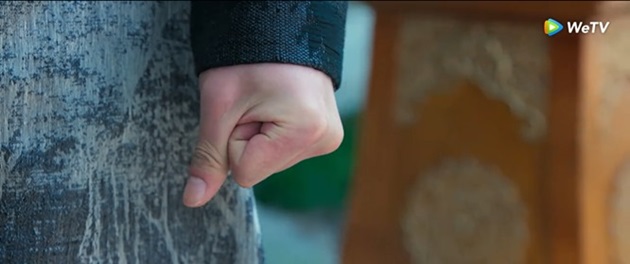
For some reason, Chinese directors have a habit of having the camera pan down to a character’s clenched fist if he’s angry. I have seen it in 9,874 dramas, and I am sure I will see it in 11,698 more.
Yes, I keep waiting for a director to have the camera remain on a character’s face as he cycles through his emotions instead but, in most wuxia, xianxia and fantasy dramas, I think I will be waiting a long time.
To me, it’s a lazy way of explaining a character’s emotions, but just about every Chinese director does it.
Censorship can affect the story
This is something many new viewers to Chinese dramas don’t realize right away.
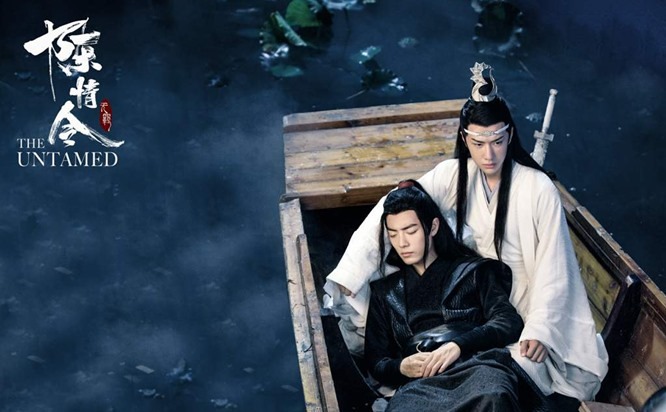
Because Chinese television operates under various much stricter regulations than in the west, writers sometimes have to adjust storylines, characters, or endings to meet certain requirements.
Some types of story (like Boys’ Love, for instance) are not allowed to be told at all, while stories involving time travel and reincarnation are also currently only allowed to be handled a certain way.
As a result, some adaptations differ significantly from their source material. Especially when their source material is a long web novel.
If you have read the novel, plot developments can also feel strange because the original version of the story had to be altered to fit what’s “allowed” on Chinese TV and streaming services.
Most long-time viewers, both Chinese and non-Chinese, get used to it. But it can sometimes leave you feeling like certain parts of the story don’t quite fit as something important has been changed.
Some endings feel rushed
This is probably one of my biggest frustrations with Chinese dramas.
A drama can spend 39 episodes carefully building relationships, conflicts, and emotional stakes. Then suddenly everything gets wrapped up in the final episode at absolute lightning speed.
Problems that took months to develop are resolved in minutes. Somebody who has been perfectly healthy suddenly dies. Characters get endings that feel incomplete.
And then, as the final ending credits roll, you’re left staring at the screen wondering “Is there still another episode to watch?” No. No, there is not.
And yes, after investing dozens of hours into a 40 episode c-drama, that can be a painful feeling.
The spitting blood
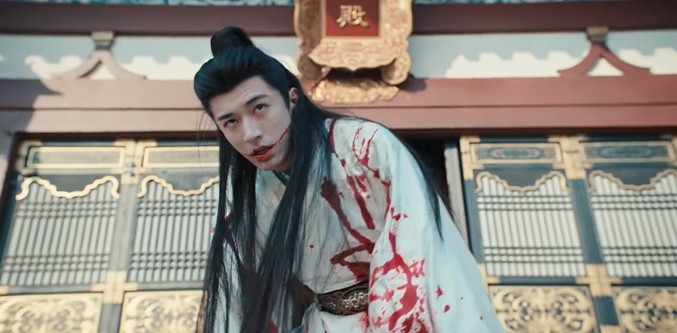
Now, this is one thing I have disliked about Chinese fantasy, wuxia (martial arts), and xianxia (fantasy inspired by mythology) dramas since I first began watching them. The way a character suddenly spits up blood the minute he is even slightly injured.
Sure, I might be a bit of a squeamish person myself when it comes to bodily fluids, but the spitting blood trope is just about the only thing I wish would be removed from every Chinese drama never to be seen again.
RELATED: Do Chinese viewers finish the C-dramas they start? If most don’t, what percentage do?
You may think differently as, I am sure the Chinese themselves do, as it happens in just about every drama that isn’t a contemporary drama.
You will notice the same tropes over and over again
Speaking of tropes, the longer you watch C-dramas, the more patterns you will recognize, as screenwriters use the same plot scenarios again and again and again.
The two main leads have a forgotten childhood connection.
There’s a jealous rival that tries to destroy things between the main leads.
An accidental cohabitation suddenly takes place.
An annoying love triangle develops. (Most of us hate this one especially!)
There’s a misunderstanding that could have been solved with one conversation.
One of the main characters suddenly develops amnesia.
The male or female lead is poisoned, and remains poisoned throughout half of the drama without much impetus from the other characters to help cure them. (The Wanted Detective, I’m talking to you!)
In wuxia dramas, I have lost count of the number of main characters I have seen fall backwards off cliffs. And live to talk about the fall.
The kiss underwater… and the list goes on and on.
The funny thing is that even when I know exactly what’s coming, I still watch anyway. And enjoy it.
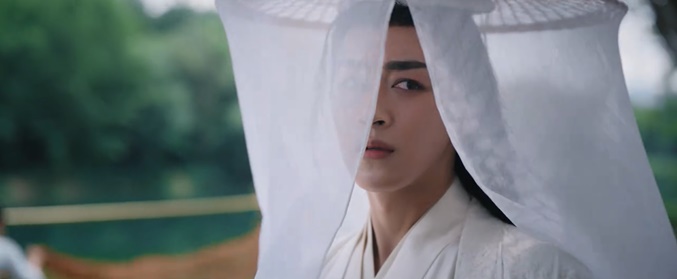
The enormous veil
You will see this a lot in wuxia and xianxa dramas when a character suddenly becomes the most wanted person in the Empire, and is afraid of being discovered.
So they freely walk through the streets of the city wearing a huge veil, even though nobody else is wearing one, and believe that doesn’t make them stand out.
The food nibbling
Both male and female characters will nibble at food in a scene rather than properly eating it.
Sure, very thin Chinese actors (and most of the younger ones are) are terrified of gaining even a pound but, if you are filming a scene in a restaurant, quit nibbling your food like a damned rodent and EAT it.
The fake evil laugh
In just about every wuxia and xianxia I have watched, at some point during the story, the villain of the piece will emit that fake villain laugh, reminiscent of the “Bwahahahahahaha” we grew up listening to in cartoons.
Stop it. It’s annoying, and immediately makes every villain seem less threatening.
Dubbing in Chinese dramas takes some getting used to
The vast majority of C-dramas use dubbed voices, even when the same person providing the voice is also the actor who performed the scene. There are, of course, many reasons why having dubbed voices in Chinese dramas is the norm.
Sometimes the dubbing is seamless. Other times, it can feel a little strange.
You may notice voices that don’t quite match the actor’s appearance or emotional delivery, or that the words don’t remotely match the mouth movement of a character.
For new viewers, this can be distracting until they become accustomed to it.
Eventually, with enough dramas under their belt, most fans stop noticing it, but it definitely surprises people at first.
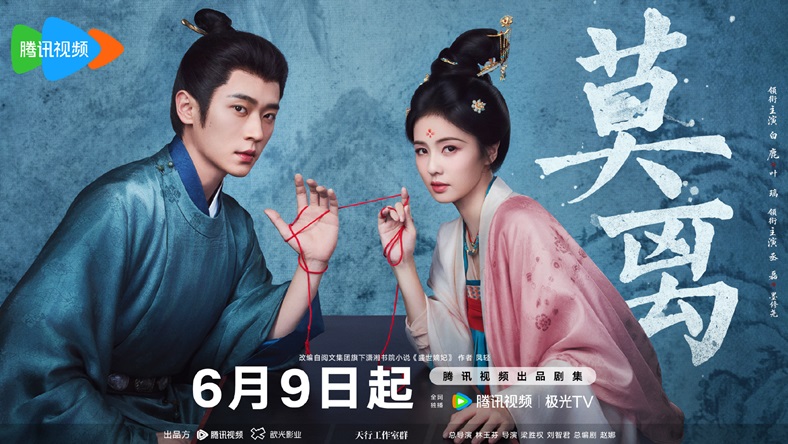
The beauty standards are unreal
One thing that always makes me laugh is how effortlessly beautiful everyone looks.
Characters wake up with perfect hair and make-up. They survive battles looking flawless. They cry beautifully.
Meanwhile, I look exhausted after a normal workday.
C-dramas often present a highly polished version of reality, and while it’s visually appealing, it isn’t always exactly relatable.
Final thoughts
Despite everything I have mentioned here, really none of it annoys me that much, as I just take it all as part of loving Chinese dramas. And I definitely do. Love them, I mean.
In fact, I probably love them because of some of these quirks as much as in spite of them.
Yes, many Chinese dramas are too long. Yes, the misunderstandings can be infuriating. Yes, some endings will leave you frustrated.
But they also deliver unforgettable characters, emotional storytelling, absolutely stunning visuals, beautiful soundtracks, star incredibly beautiful male and female leads, and offer romances and involved historical plots that keep you completely invested.
So if you are thinking about becoming a C-drama fan yourself, consider yourself warned, as you will probably complain about all of these things eventually yourself as well.
And then you will immediately hit “Play” on Episode 1 of another 40-episode drama anyway.
And yes, I am absolutely convinced, even with all their flaws, eventually Chinese dramas will be even more popular than those out of Korea.
About the Author