
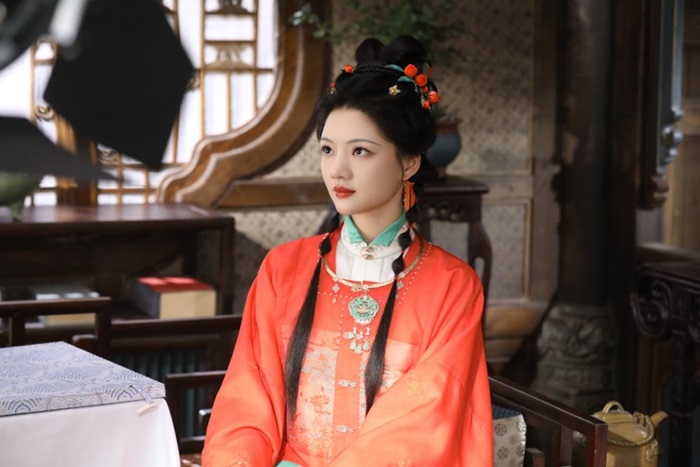
Chinese dramas are close to treble the length of a typical American series
One of the things that drove me nuts when I first started watching Chinese dramas was how darned long many of these series turn out to be.
Especially compared to a typical American drama that will have anything from 16 to 22 episodes of around half an hour each in one season.
Compare that to a Chinese wuxia or xianxia series that, with a low count, will have at least 32 episodes of 45 minutes each and, in most cases 35 to 40 episodes of the same length.
That means a typical Chinese drama will run from 24 hours to 30 hours compared to an American series of 11 hours max. Heading towards treble the length.

Chinese authorities tried to keep a cap on drama length
For a few years, the Chinese TV regulatory body, the National Radio and Television Administration (NRTA), capped any drama from releasing more than 40 episodes, so that these series didn’t become even longer.
But, in recent months, that cap has been removed with the NRTA now saying a C-drama can exceed 40 episodes. If they review it and they deem extra episodes necessary.
So, why are Chinese dramas so darned long, and may become even longer? And how do the lengths of a typical C-drama affect Chinese viewers’ habits as much as they affect mine?
Why do C-dramas have so many episodes?
The number of episodes in a Chinese drama compared to those of a series from the U.S. stems from fundamentally different business models, production cultures, and historical viewing habits.
Part 1: Why Are They So Long? (The Production & Business Reasons)
1. The Ad-Sales Model (The Biggest Reason)
In China, for most TV channels and streaming platforms (like iQiyi, Tencent Video, Youku), the primary revenue model is advertising.
More episodes then mean more airtime, which also means more ad slots to sell. A 45-episode drama, for instance, generates almost 4 times the ad revenue of a 12-episode show. For streaming platforms, length directly translates to monetization.
2. Production Costs Are Amortized
Building elaborate period sets (wuxia, xianxia, historical court dramas etc) or renting modern locations is extremely expensive.
By spreading those fixed costs over 40 episodes instead of 12, however, the cost-per-episode drops significantly. In other words, it’s more economically efficient for a production company to shoot a 40-episode drama in 4-5 months than a 12-episode drama in 2-3 months.
This also now applies to actors’ salaries as it’s cheaper per episode to pay an often very high salary to an actor for a 45-episode drama than it is for him or her to act in an 18-episode series.

3. The Broadcast License System & “Water Injection” (Filler)
Until recently, TV channels and streaming platforms in China paid for dramas based on the total number of episodes.
This created a perverse incentive for production companies to pad the runtime, a practice that the Chinese call **”注水” (zhù shuǐ) or “water-injecting.”
A good example of this is when the production company would take a tight 25-episode story, have the screenwriter or a writing committee add boatloads of filler scenes, and stretch the end product to 45 episodes.
You will notice this padding in many Chinese dramas when you see:
- Long, lingering reaction shots
- Repetitive flashbacks (often to scenes from the previous episode)
- Unnecessary side plots involving secondary characters
- Slowed-down fight scenes or montages
Now I don’t know about you, but there’s nothing more annoying to me than watching flashbacks of scenes I already watched only 30 minutes ago, or slow-motion fight scenes that seem to drag on for eons.
So much so, I have now started fast-forwarding through just about all of these scenes.
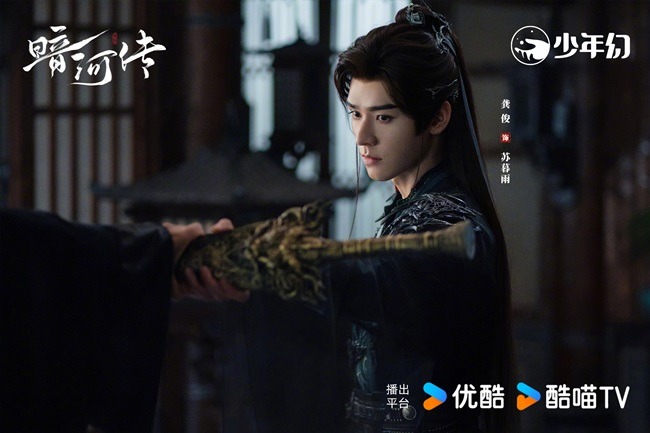
4. Government Regulations & Quotas
The Chinese government (ie: the NRTA) has historically imposed rules that indirectly encourage length.
For example:
Prime Time Limits: There are limits on how many historical or imported dramas can air in prime time in China. If a production company gets a prime-time slot then, of course, they want to run that drama for as long as they possibly can.
The “40-Episode Unspoken Rule”: While not a completely strict law, regulators have discouraged dramas exceeding 40 episodes (with exceptions for major period epics). So, many dramas are exactly 40 episodes, trimmed down from 50 to comply.
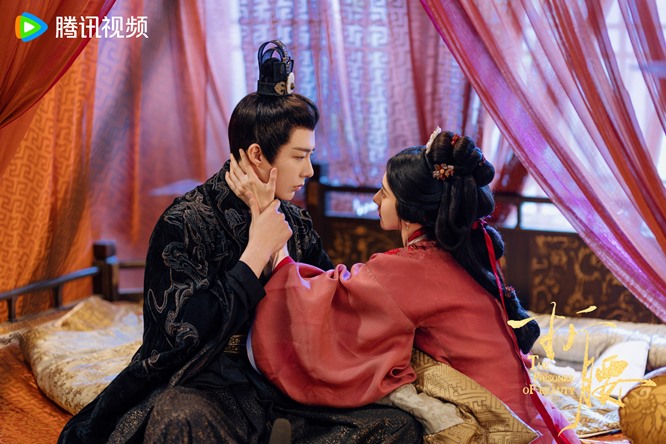
5. Source Material is Often Extremely Long
Many Chinese dramas are adapted from web novels that are notoriously long, with many novels consisting of 500 to 2,000+ chapters. A crazy number compared to a typical western novel and, again, because web novelists often get paid per 1,000 words.
A faithful adaptation of a novel, therefore, requires many episodes to cover the full story arc, character development, and multiple love lines.
Compare this to an American show based on a 300-page book. And you will see quickly why Chinese dramas are so ridiculously long.
So long, I might add, I have started reading web novels that have been adapted into some of the C-dramas I love the most and, other than in one instance (The Prisoner of Beauty‘s novel “Zhe Yao” (折腰) by Peng Lai Ke (蓬莱客), I have given up every time.
After all, who has the time to read that many words, when the plot could have been stripped down into something much tighter and, therefore, much more interesting???!! I know I don’t.

6. Different Narrative Structure: “Slow-Burn” vs. “Plot-Machine”
American prestige dramas (think Game of Thrones or Succession) often prioritize tight, efficient plotting with major twists every episode.
Meanwhile, Chinese dramas (especially romance, family, and historical genres) prioritize emotional immersion and relationship development. The 35-40 episode drama length then allows for:
- Detailed establishment of family hierarchies and social obligations
- Long, slow-burn romantic tension (e.g., the “will they/won’t they” lasts 30 episodes)
- Extensive world-building in fantasy, xianxia and wuxia genres
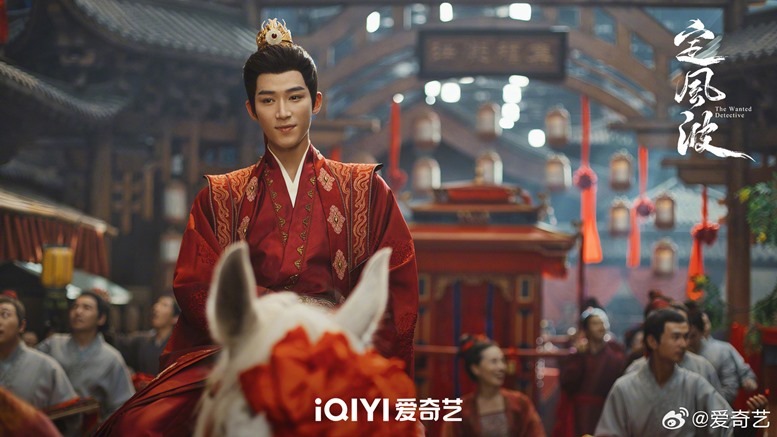
Part 2: How Does This Length Affect Chinese Viewers’ Viewing Habits?
The long format has created a very distinct viewing culture in China compared to the US “binge-drop” (the dropping of all episodes in a series at one time) or weekly appointment model (one episode per week).
And some of it, to a western C-drama fan, is decidedly odd.
1. The “Dropping In and Out” Habit (Not Binge-Watching)
American viewers often binge a whole season in a weekend. Chinese viewers rarely do this.
Instead, they practice what you might call “slow-watching” or “commute-watching.”
That means they watch 1-2 episodes per day, often during lunch breaks, on the subway, or before bed. That way, a 40-episode drama becomes a 3-4 week companion for a typical Chinese viewer, and not the weekend project it often is for an American.
2. The Rise of 2x and 3x Speed Viewing
Because of “water-injected” filler content, a massive subculture has emerged in China around watching dramas at accelerated speeds.
That’s why many Chinese streaming platforms have built-in 1.5x, 2x, even 3x playback options, so that viewers can watch certain scenes at a faster speed or, in some cases, the entire drama.
RELATED: What percentage of Chinese drama viewers watch series at much faster speeds than normal?
Because of this, it’s completely normal to hear a young Chinese person say, “I watched that whole 50-episode drama at 2x speed.”
Meanwhile, how many Americans do you know that would watch an entire drama at double its normal speed? Me? None.

3. The “Cut Video” (剪辑视频) Ecosystem on Bilibili & Douyin
Few Chinese drama viewers have time for 30-45 hours of a slow drama. So, they rely on fan-made supercuts.
What that means, on platforms like Bilibili (China’s YouTube) and Douyin (TikTok), and sometimes now even on YouTube, creators edit down the entire 40-episode drama into videos like:
- A 40-minute “movie version”
- A 15-minute “couple’s best moments” cut
- A “top 10 fight scenes” compilation
- A 30-minute “highlight” video, which will often cover 10 episodes
Many viewers only watch these cuts and never see the full episodes. This has become a legitimate secondary market for dramas.
Heck, even the streaming platforms themselves release them.
A bizarre one for most western viewers like me as, sure, we have all seen videos like this on YouTube, but most of us would only watch them in addition to watching the full drama so that we can relive that fun experience, right?
4. The “Drop Rate” for Dramas in China is Extremely High
It’s very common for Chinese viewers to start a 40-episode drama, watch 15 episodes, get bored, and then skip to the final two episodes just to see how it ends.
Now, I don’t understand that. Especially when many of these people then insist they watched a certain drama when, in all reality, they didn’t.
RELATED: What is the completion rate for Chinese dramas by Chinese viewers? Much lower than you may think
Unlike most western viewers, though, that’s because Chinese drama watchers feel no obligation to finish. Platforms do track “completion rate” as a key metric, but also know most viewers drop off between about episodes 20-30.
5. Strategic “Skipping” of Side Plots
Due to having watched so many too-long dramas, experienced Chinese viewers have developed a sixth sense for filler. They will watch a romantic lead’s scenes at normal speed, then use the progress bar to skip entire subplots involving the annoying second couple or the evil business rival.
This requires active, engaged viewing, not passive watching. But also, in my mind at least, still means they didn’t watch the whole drama.

Are These Long C-dramas and, Thus, Chinese Viewers Watch Habits Changing?
Yes, they are. Slowly.
One of the reasons is because the Chinese government has officially criticized “water-injected” dramas and encouraged shorter formats going forward.
Meanwhile, streaming platforms like iQIYI and YOUKU are experimenting with “micro-dramas” (1-2 minutes per episode) and “short-form series” (12-25 episodes of 23 or so minutes each) in an effort to compete for shrinking attention spans.
However, the 40-episode drama still remains the standard for big-budget historical epics, and star-driven romance series, simply because it is still the platform’s most profitable model.
So next time you see a 40-episode Chinese drama, remember: it is not a creative failure for it to be “too long.”
It’s a product designed for a specific economic and viewing ecosystem. One where speed-watching, skipping filler, and living with characters for a month are all completely normal. At least in China.
About the Author